by Andrew Kravig, LMFT.
How are you enjoying the new calendar year so far? Itt has been a bit wild, hasn’t it? If you’re anything like me, it’s been filled with too much doom scrolling, almost enough protesting in the streets, buckets of cortisol racing through my system, a handful of warm moments with friends, and nowhere near enough rest. And god knows what we need right now is some good rest. If your community demographics look anything like mine, it has probably been a very scary start to 2026. It’s hard to figure out where to fit something like rest or relaxation into my schedule… I mean, how do you nap when it feels like the world is burning?
Every day, I find myself bracing, waiting for the next shoe to drop. Will I lose access to HRT? Will my immigrant friends get raided by ICE in the night? Will violence break out on my street tomorrow morning? My mind is constantly racing with plans and ideas about how to deal with the next scary turn life is going to take.
You might imagine that this is very unhelpful for my chronic depression and anxiety. I imagine that it’s not doing much for your mental health either! Managing depression and anxiety in this current geo-political landscape is no small task, and requires intentional practice.
With that in mind, I wanted to offer this gentle reminder to all of us (including myself): you are allowed to rest. You are allowed to soften. You are allowed to be held by your own tenderness.
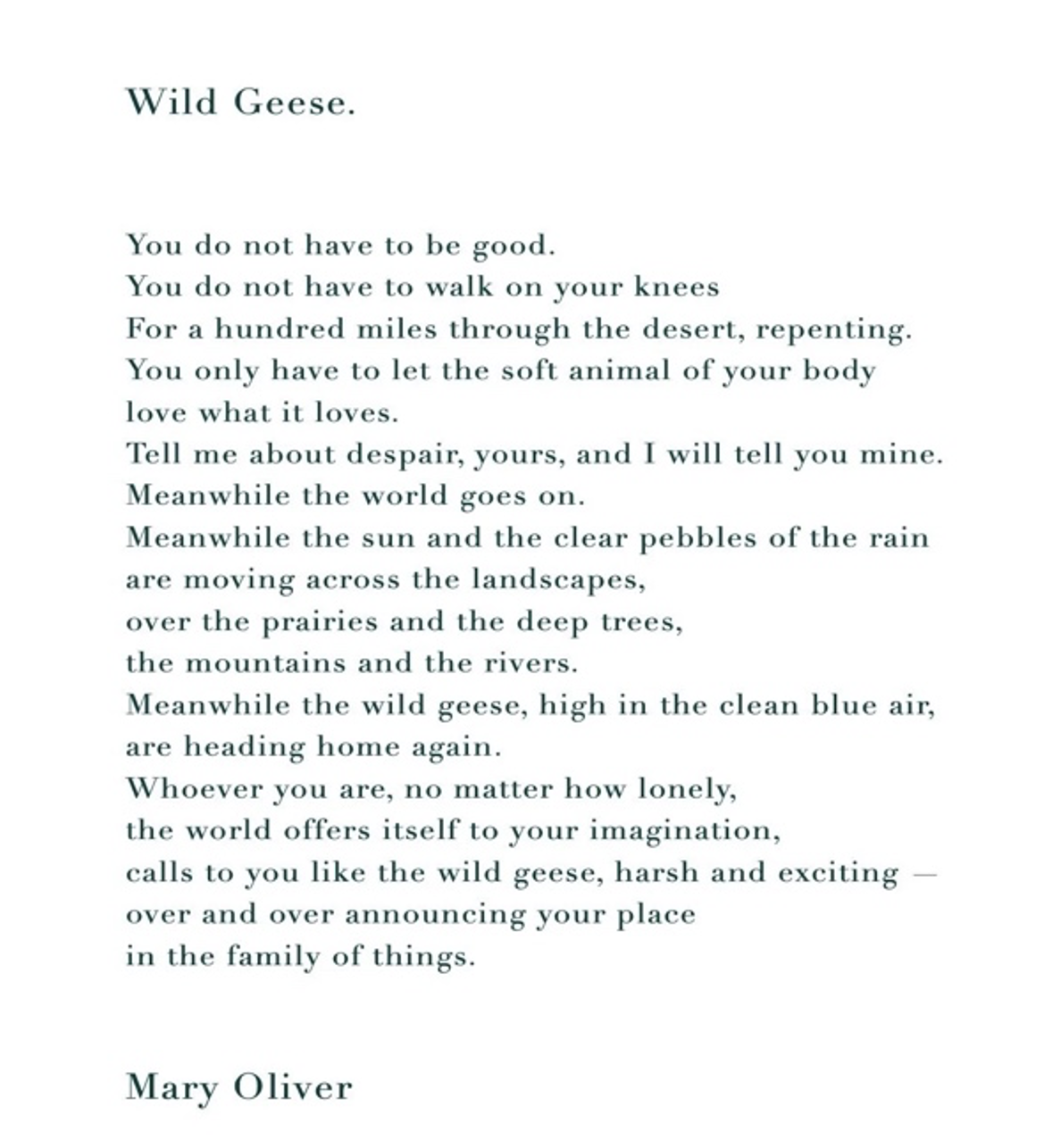
As Mary Oliver writes in one of my all-time favorite poems, Wild Geese: “You do not have to be good […] You only have to let the soft animal of your body love what it loves.”
What a statement.
You do not have to be good.
Those six words alone can feel like a little revolution. They gently whisper that perhaps your worth isn’t something you earn through perfection, conformity, or endurance tests... Perhaps it’s something inherent. Something woven into your breath, your heartbeat, the way that you love and are loved in return.
And for the soft animal of your body. Your body—whatever its shape, its scars, its history, its gendered experiences—deserves gentleness. Let it unclench. Let it rest from performing, from translating itself for others, from guarding every moment. You can’t survive by holding your breath indefinitely. You aren’t built that way!
Remember that tender self-care can be small. Maybe it looks like:
Letting yourself nap without apology
Brewing tea the way someone special once taught you, with care and attention
Turning off your phone for an hour
Saying “no” when your body says “no”
Saying “yes” when you feel a moment of delight and excitement
Also, remember that self-care is often communal. The start of the new year often pushes us toward connection, and you get to decide what connection looks like. Maybe it’s chosen family gathered around a kitchen table. Maybe it’s a quiet call with a friend back home. Maybe it’s holding someone you love, or letting them hold you.
There is nothing small about love shared between people who’ve had to fight for an existence in this world.
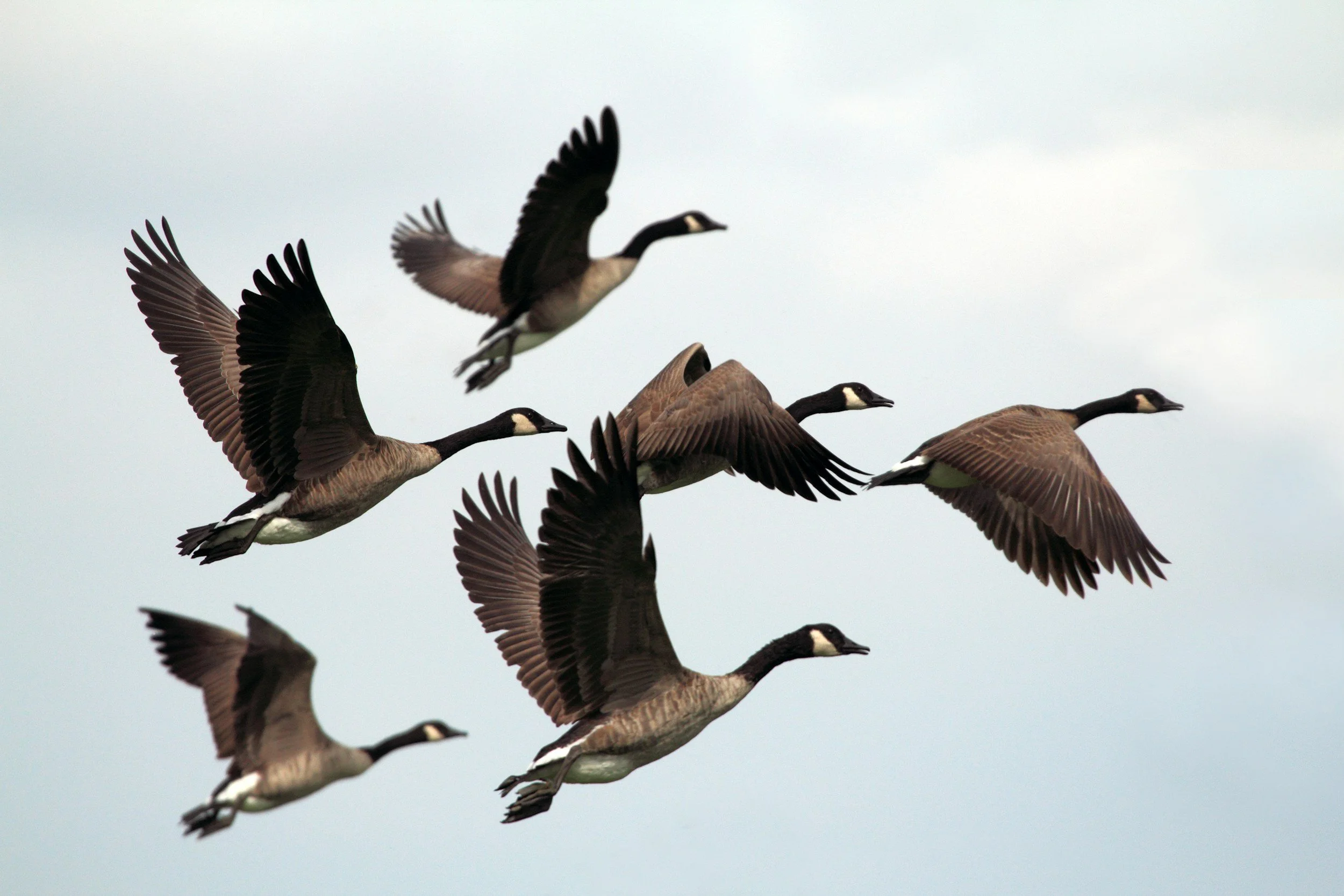
Oliver’s poem reminds us that we are an integral part of the world—its weather, its geese, its constant cycles. You belong here, alongside all things that move toward warmth and safety. You don’t need permission to take up space. You don’t need to justify your existence.
The world calls to you, too. Let this be your invitation.
As the days shift and soften, may you let your shoulders drop.
May you remember that rest is a right.
May you move toward those who love you, and may you feel the love that moves toward you—across oceans, across queer timelines, across every identity you hold.
Let the soft animal of your body rest.
Hold your people close.
And know that you, too, are part of the wild and tender world.